Posted on 9/29/2026

Halfway down a long grade, the car needs more pedal pressure to hold the same speed. The next bend arrives sooner than expected, and a hot smell drifts in. The brakes worked normally earlier in the trip, so the change can feel sudden even though heat has been building for several miles. Don't wait for the next sharper corner to find out how much stopping power remains. A descent that begins comfortably can become unsafe when braking performance changes. Reducing the heat demand before that happens is much better than trying to recover once the brakes are already struggling. Brake Fade Means Less Stopping Force When You Need It Friction brakes turn vehicle movement into heat. On a long descent, repeated or continuous braking can generate heat faster than the brakes release it. If the friction material gets too hot, it can produce less braking force even though the pedal still feels firm. The driver then presses harder for a result that was easy earlier. That is ... read more
Posted on 8/28/2026
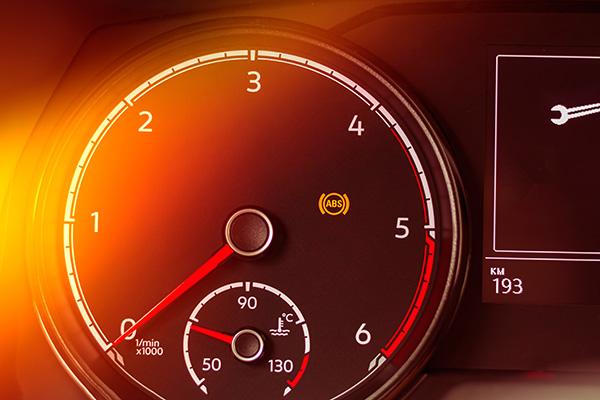
Seeing the ABS and traction control lights appear at the same time can make it seem like two separate systems failed at once. In many cases, though, both warnings are reacting to the same problem. ABS and traction control share wheel-speed information and several electronic components. If the computer loses a reliable signal from one wheel or detects a fault in the braking system, it can disable both functions until the problem is repaired. The basic brakes can still work, but the electronic assistance you depend on during hard braking or wheel slip might not. A Wheel Speed Sensor Is a Common Starting Point Each wheel has a speed sensor that tells the ABS computer how quickly that wheel is turning. The system compares those readings constantly. If one wheel suddenly reports a speed that does not match the others, the computer has to decide whether the tire is actually slipping or the signal itself is wrong. A failing sensor can create an intermittent warning that c ... read more
Posted on 7/31/2026
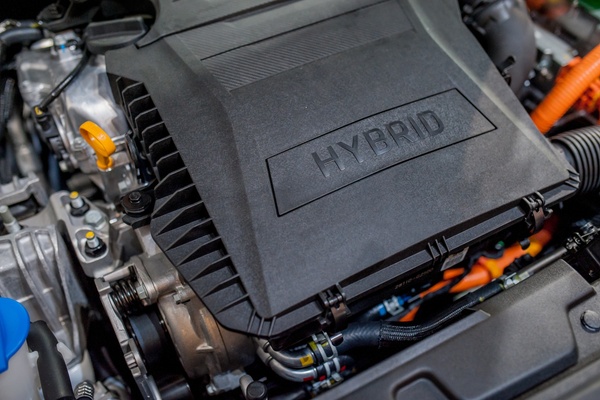
Hybrid vehicles have come a long way. Years ago, many drivers were nervous about buying one because the battery seemed mysterious, expensive, and maybe even risky. Today, we see plenty of hybrids with high mileage still running well. They can be dependable, efficient, and practical for everyday driving. Still, one question comes up all the time at our shop. How long does the hybrid battery last, and what happens when it finally needs to be replaced? That is a fair question. A hybrid battery is not the same as the regular 12-volt battery that starts the car and powers accessories. The hybrid battery is a high-voltage battery pack that helps move the vehicle, captures energy through regenerative braking, and works with the gas engine to improve fuel economy. It is a major part of the hybrid system, so it is worth understanding how it ages, what replacement can cost, and how your driving habits can make a difference. The Realistic Lifespan of a Hybrid Battery In many ... read more
Posted on 6/26/2026
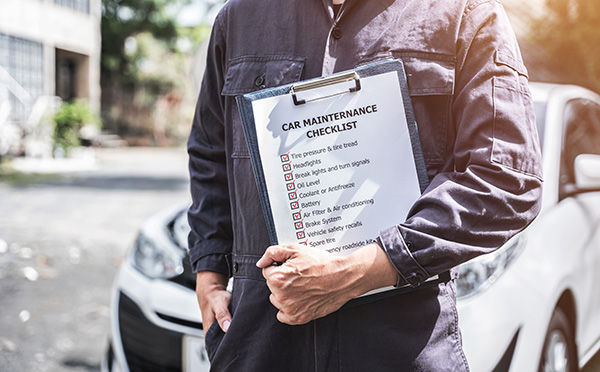
Getting your license and your first set of keys is a major milestone. It represents total freedom, spontaneous weekend road trips, and the end of waiting around for rides. Now that summer has finally arrived, you are probably planning plenty of drives to the beach, local parks, or friends' houses. But with that freedom comes a brand new responsibility that a lot of fresh drivers overlook: taking care of the mechanical machine that gets you from point A to point B. At our shop, we love seeing young drivers pull into our service bays. We remember exactly what it was like to handle that first car. We also know that automotive maintenance can feel pretty intimidating when you are first starting out. There are a lot of terms you might not know and plenty of myths floating around online. Summer heat places an immense amount of physical stress on a vehicle, so we have put together a beginner-friendly car care guide to help you navigate your very first warm-weather driving season without ... read more
Posted on 5/29/2026
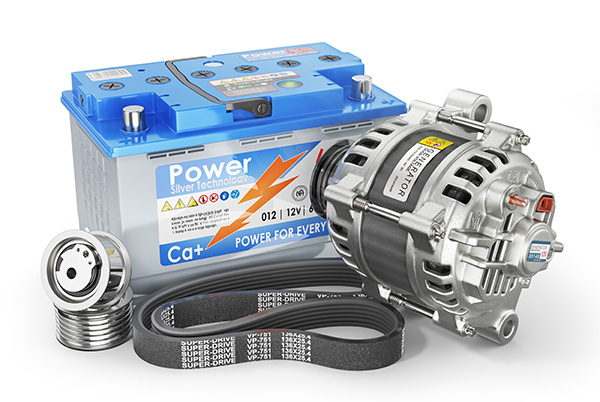
The battery light is easy to misinterpret because the symbol makes it seem like the battery is the problem. Sometimes it is. A weak or failing battery can be part of the issue, especially if the car has been slow to start. But once the engine is running, that warning is usually talking about the charging system. The battery starts the car. The alternator keeps it powered and recharges the battery while you drive. If the battery light comes on, the car is telling you that electrical power is not being managed as it should. What The Battery Light Really Means The battery light usually means the vehicle is not seeing the charging voltage it expects. The alternator may not be charging enough. A belt may be slipping. A cable may be loose or corroded. The battery may also be weak and unable to hold a charge properly. That warning can appear at startup and then go away, which can be normal on many vehicles. If it stays on while driving, flickers, or comes on with other w ... read more
Posted on 4/30/2026
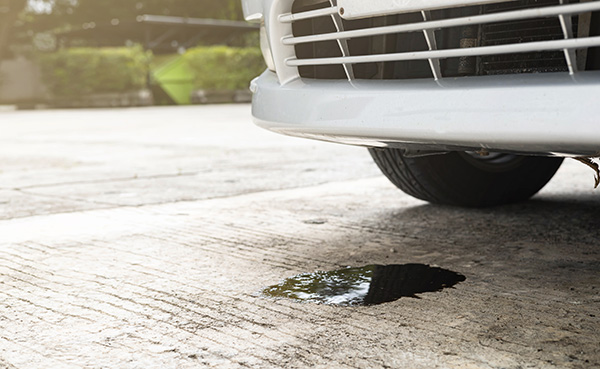
Finding oil spots under your car after it has been sitting can be frustrating. At first, it might seem minor, especially if the vehicle still drives normally. Over time, though, those spots tend to get larger or more frequent, which makes it clear that something isn't sealing the way it should. Oil leaks rarely fix themselves. When they show up while the car is parked, it usually means oil is escaping from a component that holds pressure or contains fluid after shutdown. Worn Gaskets and Seals Are a Common Cause Engines rely on gaskets and seals to contain oil. Over time, these parts harden, shrink, or crack due to heat and age. Once that happens, small gaps can form, allowing oil to seep out. Common areas include valve cover gaskets, oil pan gaskets, and crankshaft seals. These leaks may start small but tend to spread as the material continues to wear. Oil Pan Damage or Loose Components The oil pan sits at the bottom of the engine and holds ... read more
Posted on 3/27/2026
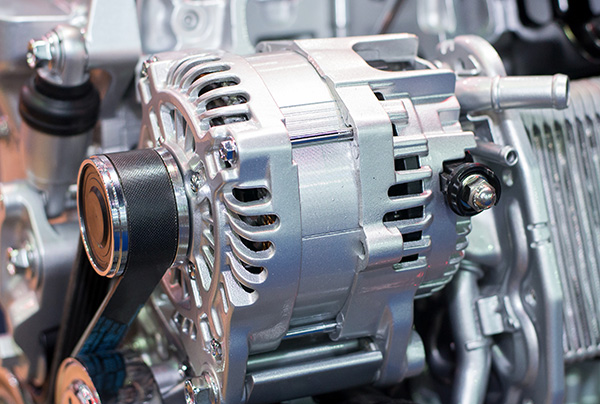
An alternator problem can sometimes catch you off guard because it can come out of nowhere. The car starts, the engine runs, and you assume the battery is handling things the way it always has. Then the lights get a little dimmer, the dashboard does something odd, or the car suddenly feels less steady electrically than it did a few days ago. That is usually the point where the charging system is already falling behind. What The Alternator Is Supposed To Do Once the engine starts, the alternator takes over the job of supplying power to the vehicle and recharging the battery. That means your lights, ignition system, fuel system, blower motor, electronics, and charging system all depend on it working properly while the engine is running. The battery starts the car. The alternator keeps it alive after that. That is why a bad alternator can fool people at first. The car may still crank and start because the battery has enough reserve left. The real trouble begins after ... read more
Posted on 2/27/2026
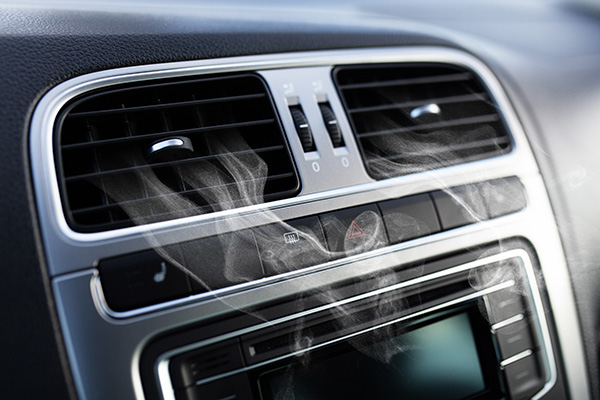
A gasoline smell inside the cabin is one of those issues you should not ignore, even if the car seems to drive fine. Sometimes it is as simple as fuel vapors escaping near the fill area. Other times it is a small leak that only shows up while driving or right after you park. The key is figuring out when the smell happens and what recent events might be connected to it. Why Gas Smell In The Cabin Matters Gasoline evaporates easily, so even a small seep can create a strong odor. The cabin can pull fumes in through the fresh-air intake, trunk vents, or gaps around the rear seat area, depending on where the vapors are coming from. If the smell is strongest with the windows up or the HVAC running, that often points to fumes being drawn into the ventilation system. Even when the source is outside the cabin, fumes tend to linger in fabric and carpet. That is why a brief leak or a sloppy fill-up can keep smelling for days. If the odor keeps returning after several drives ... read more
Posted on 1/30/2026
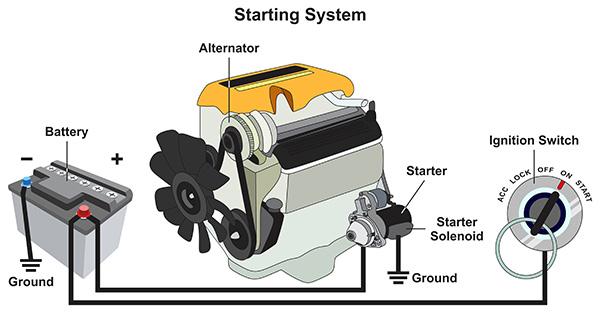
A car that doesn't start has a special talent for happening when you are already in a hurry. You turn the key or press the button, and instead of leaving, you are stuck listening for clues and staring at the dashboard as it might explain itself. The frustrating part is that several different problems can feel the same at first. The good news is that most causes fall into a few common categories, and the symptoms usually point toward one of them if you know what to watch for. What The First Clues Tell You Before you try anything, notice what the car is actually doing. Those first few seconds can save a lot of time. Does it crank normally, crank slowly, or not crank at all? Do the dashboard lights come on bright, dim, or not at all? Do you hear a single click, rapid clicking, or silence? Did it start fine earlier that day, or has it been struggling for a while? If it cranks strongly but will not fire, the cause is usually fuel, spark, or a sensor input. If it ... read more
Posted on 12/19/2025

A car that used to glide along smoothly but now thumps, shakes, and crashes over every little bump is trying to tell you something. Most drivers notice the change gradually, then one day realize every commute feels rough and a bit unsettled. That “bumpy” feeling is often your suspension asking for attention long before anything actually breaks. What Your Suspension Is Really Doing Underneath Your suspension is more than just shocks and struts. It is a whole network of springs, dampers, control arms, bushings, and joints that keep your tires planted while keeping the cabin reasonably comfortable. The springs support the weight of the car, while the shocks or struts control how quickly that weight moves after a bump. When everything is healthy, the car absorbs potholes and dips with one clean motion and settles quickly. The body does not keep bouncing, the steering stays steady, and the tires keep good contact with the road. Once components start to wear ... read more