A car that used to glide along smoothly but now thumps, shakes, and crashes over every little bump is trying to tell you something. Most drivers notice the change gradually, then one day realize every commute feels rough and a bit unsettled. That “bumpy” feeling is often your suspension asking for attention long before anything actually breaks.
What Your Suspension Is Really Doing Underneath
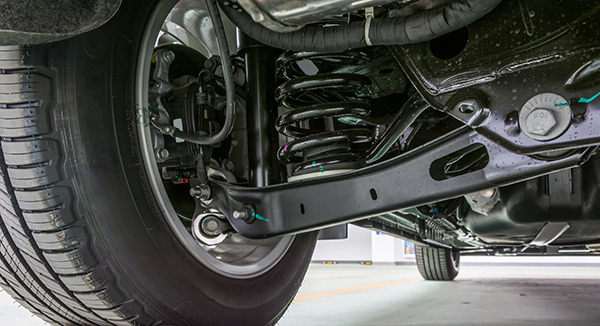
Your suspension is more than just shocks and struts. It is a whole network of springs, dampers, control arms, bushings, and joints that keep your tires planted while keeping the cabin reasonably comfortable. The springs support the weight of the car, while the shocks or struts control how quickly that weight moves after a bump.
When everything is healthy, the car absorbs potholes and dips with one clean motion and settles quickly. The body does not keep bouncing, the steering stays steady, and the tires keep good contact with the road. Once components start to wear, the suspension loses that control, and you feel more of the road than you should.
Everyday Signs Your Ride Is Rougher Than It Should Be
Most suspension problems start with subtle changes. You might notice that speed bumps feel sharper than they used to, or that familiar roads suddenly seem full of new ruts. The car may continue to bob up and down a couple of times after a big dip instead of taking one smooth motion and settling.
Inside the cabin, you might hear new clunks, knocks, or rattles over broken pavement. The steering wheel can also start to feel busier, with more vibration and small jitters working their way into your hands. When our technicians hear a driver say, “It just does not ride as it used to,” these are the kinds of details we ask about first.
Common Reasons Your Car Starts To Feel Bumpy
A rough ride is usually the result of several worn parts, not just a single bad shock. Some of the usual suspects include:
- Worn shocks or struts that no longer control spring movement, letting the car bounce and crash over bumps
- Sagging or cracked coil springs that cannot support the vehicle properly
- Dry or cracked suspension bushings that let metal parts bang against each other
- Worn ball joints or tie rods that add looseness to the steering and front end
- Bent wheels or tires with flat spots, broken belts, or uneven wear that transmit shakes into the cabin
In the bay, we often see a mix of these issues on higher-mileage vehicles. Fixing one piece helps, but a truly smooth ride usually comes from addressing the whole worn area instead of chasing one part at a time.
When Bumpiness Becomes a Safety Concern
A slightly firm ride is not always a problem. The real concern starts when the suspension is so worn that it affects control. If the car feels like it skips sideways over bumps, leans excessively in corners, or needs constant steering correction on the highway, that is more than just comfort.
Worn shocks and loose components can increase stopping distance, especially on rough roads. When tires are bouncing instead of staying planted, the brakes cannot grab as effectively. Add rain or gravel to the mix and it becomes easier to lock up or trigger ABS. We pay close attention to this during test drives, because a bumpy ride that also feels nervous or unstable is a clear sign that suspension work has moved from “nice to have” into “needs to be done.”
Simple Checks You Can Notice From the Driver’s Seat
You do not need a lift to pick up on early suspension issues. There are a few simple checks you can make by paying closer attention. Look at the car from the side and rear on level ground. If one corner sits noticeably lower than the others, that can signal a weak spring or worn component.
On a quiet road, pay attention to how the car behaves after a bump. One quick up-and-down motion is normal. Two or three extra bounces mean the shocks or struts are likely tired. Listen for thuds when you turn into driveways or parking lots at an angle. Those low-speed noises often come from worn bushings or joints that only complain when the suspension is really flexed.
Repairs, Replacements, and What “New Suspension” Actually Means
“New suspension” can mean different things depending on how worn the system is. Sometimes replacing just the shocks or struts on one end of the car makes a big difference, especially if everything else is in good shape. On higher mileage vehicles, it is often smarter to replace struts, mounts, and related hardware together so you are not bolting new parts onto very tired pieces.
Control arm bushings, sway bar links, and ball joints may also need attention. When we inspect a bumpy car, we assess the overall condition and then discuss the stages of repair. The goal is to restore control and comfort in a way that fits your budget, without leaving obviously worn parts in place that will undo the improvement.
Habits That Help Your Suspension Last Longer
Once the suspension is sorted out, a few driving habits can help keep it that way. Slowing down for speed bumps, driveway entrances, and big potholes takes a lot of stress off shocks, struts, and bushings. Avoiding curbs and deep potholes whenever you can is another big one, since those hits can bend wheels and overextend components.
Keeping tires properly inflated and aligned also matters more than many people realize. Underinflated tires and bad alignment make the suspension work harder to keep the car in line, and they create extra vibration and wear. When we see a vehicle with a smooth ride after repairs, it is often because the owner changed a few of these habits along with fixing the worn parts.
Get Suspension Repair in Issaquah, WA with Autoworks Of Issaquah
If your car feels bumpy, noisy, or unsettled on roads that used to feel fine, your suspension may be asking for help. We can road test your vehicle, inspect shocks, struts, springs, and steering components, and show you exactly what is worn and what can wait.
Schedule suspension repair in Issaquah, WA with Autoworks Of Issaquah, and we will help bring back a smooth, confident ride.