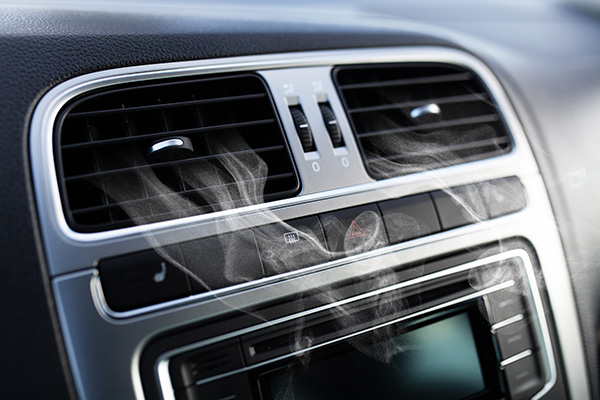
A gasoline smell inside the cabin is one of those issues you should not ignore, even if the car seems to drive fine. Sometimes it is as simple as fuel vapors escaping near the fill area. Other times it is a small leak that only shows up while driving or right after you park.
The key is figuring out when the smell happens and what recent events might be connected to it.
Why Gas Smell In The Cabin Matters
Gasoline evaporates easily, so even a small seep can create a strong odor. The cabin can pull fumes in through the fresh-air intake, trunk vents, or gaps around the rear seat area, depending on where the vapors are coming from. If the smell is strongest with the windows up or the HVAC running, that often points to fumes being drawn into the ventilation system.
Even when the source is outside the cabin, fumes tend to linger in fabric and carpet. That is why a brief leak or a sloppy fill-up can keep smelling for days. If the odor keeps returning after several drives, assume there is an active source that needs attention.
After Fill-Up Smells And Filler Neck Problems
One of the most common patterns is a gas smell right after refueling. A loose or damaged gas cap can let vapors escape, and it can also trigger an EVAP-related warning light. If the smell starts immediately after a fill-up, check that the cap is tightened until it clicks and that the sealing surface is clean and not cracked.
Spilled fuel around the filler neck can also linger, especially if it ran down behind the rear wheel liner or soaked into the area around the cap door. Another possibility is a cracked filler neck, a worn seal where the neck meets the tank, or a vent hose that has aged and started leaking vapors. We see this a lot on vehicles that live through big temperature swings and rough roads.
Fuel Leaks Under The Hood And Along The Frame
If the smell is strongest from the front of the car, think about the fuel system under the hood. Fuel lines, injector seals, and connection points can seep, and the odor often gets worse after a hot soak when the engine is shut off and heat rises. A small leak can evaporate on a warm engine and never leave a puddle, but it will still smell strong.
Leaks can also happen along the underside where lines run toward the tank. If a line is rubbing a bracket or a clip is missing, it can wear through slowly. If you smell fuel most when accelerating or climbing a hill, that can be a clue because fuel pressure and flow are higher under load.
EVAP System Issues That Vent Vapors
The EVAP system is designed to trap fuel vapors and route them back into the engine to be burned. When something in that system fails, vapors can escape and you smell fuel even though liquid fuel is not leaking. Common causes include cracked vapor lines, a saturated charcoal canister, or a purge valve that is stuck in the wrong position.
A purge valve problem can also cause a rough start after refueling, because too many vapors get pulled into the intake at once. This is an area where regular maintenance checks help, since brittle hoses and loose connections can be caught before they start venting fumes. If the smell is worse near the rear of the vehicle, EVAP and tank-area hoses move higher on the list.
Rich Running And Fuel In The Exhaust
Sometimes the smell is not a leak at all, it is excess fuel coming out the tailpipe. If the engine is running rich, unburned fuel can make the exhaust smell sharp and gassy, and the odor can drift into the cabin at stoplights or when idling with the windows down. Misfires can create a similar smell because fuel is not being burned completely in one or more cylinders.
If you notice rough running, poor mileage, or a check engine light along with the smell, mention that when you bring it in. Fuel smells tied to drivability often point toward ignition issues, sensor problems, or fuel control faults that need proper testing.
What You Can Check Safely And When To Park It
Start with the safest basics. Check that the gas cap is secure, and look for any wetness or staining around the filler area after refueling. If you smell fuel with the hood open, do not run your hands around fuel lines on a hot engine. Gasoline and hot surfaces do not mix well.
Here are a few safe, practical checks that help narrow the cause:
If the smell is strong enough to make your eyes water, you feel lightheaded, or you notice fuel dripping, stop driving and get it towed. A proper inspection can confirm whether you are dealing with a cap and vapor issue, an EVAP fault, or a fuel leak that needs immediate repair.
Get Fuel Odor Repair In Issaquah, WA, With Autoworks Of Issaquah
If you’re smelling gas inside the car, the next step is to book a service so the fuel and vapor systems can be repaired before the problem escalates.
Schedule service with Autoworks Of Issaquah in Issaquah, WA, so the source is fixed properly and you can drive without fumes following you everywhere.