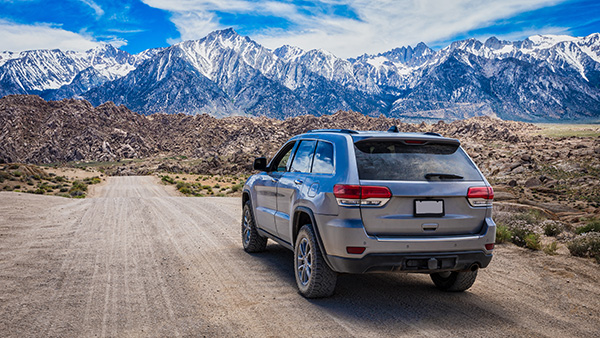
Halfway down a long grade, the car needs more pedal pressure to hold the same speed. The next bend arrives sooner than expected, and a hot smell drifts in. The brakes worked normally earlier in the trip, so the change can feel sudden even though heat has been building for several miles.
Don't wait for the next sharper corner to find out how much stopping power remains. A descent that begins comfortably can become unsafe when braking performance changes. Reducing the heat demand before that happens is much better than trying to recover once the brakes are already struggling.
Brake Fade Means Less Stopping Force When You Need It
Friction brakes turn vehicle movement into heat. On a long descent, repeated or continuous braking can generate heat faster than the brakes release it. If the friction material gets too hot, it can produce less braking force even though the pedal still feels firm.
The driver then presses harder for a result that was easy earlier. That is a loss of braking effectiveness, not simply an unpleasant smell. A dashboard warning isn't required for it to happen. The absence of a warning therefore doesn't make continued downhill driving safe when the car needs substantially more effort to slow.
A Soft Pedal Can Mean a Different Heat Problem
Brake fluid also faces heat. Moisture-absorbed fluid resists boiling less, and vapor in the hydraulic system compresses when you press the pedal. The result can be a soft pedal or much longer travel rather than the firm pedal associated with friction fade.
Both conditions reduce your ability to control speed, but they aren't the same repair. Air, leaks, or other hydraulic faults can also produce long pedal travel. The way the pedal changes is useful information for the technician, but it shouldn't be a reason to keep driving while you decide what's wrong.
Choose a Lower Gear Before Speed Builds
Enter a long descent at a controlled speed and use the appropriate lower gear or descent setting described in the owner's manual. Engine braking can help restrain the vehicle so the service brakes aren't doing all the work. Select the gear before the vehicle has built excessive speed.
Don't coast in neutral or shut the engine off. Avoid a downshift that would over-rev the engine or upset traction. Automatic transmissions differ in how their manual, tow, and downhill modes work, so become familiar with the controls before the trip. A trailer adds another reason to verify the correct towing setup and brake operation beforehand.
Avoid Resting on the Brake Through the Whole Grade
Holding light pressure continuously can keep adding heat without allowing much recovery. Use engine braking to help maintain a safe pace, then apply the service brakes deliberately as needed. Leave enough space ahead that another driver's small speed changes don't force constant pedal corrections.
No single pedal rhythm or speed fits every slope, load, and vehicle. Staying within a controllable speed comes first. If maintaining that speed requires nearly continuous braking, take a safe opportunity to slow further or stop, rather than letting the descent dictate the pace. Extra following distance is not a substitute for reducing speed.
Stop at the First Change in Braking Performance
A hot smell, increased pedal effort, longer travel, or reduced response calls for action. Move to a safe stopping place as soon as possible without creating another hazard. If you're losing control, use available emergency escape provisions and seek emergency assistance rather than continuing toward another bend.
Once safely stopped, don't pour water onto hot brakes or touch wheels and rotors to check their temperature. Cooling can reduce the symptom without correcting damage or the cause. Arrange a professional assessment and tow the vehicle when braking is unreliable. A pedal that feels better after a rest does not prove the vehicle is ready for another descent.
Prepare the Brakes for the Load and the Route
Before mountain travel, a brake inspection should consider pad and rotor condition, caliper release, fluid requirements, and any existing pedal complaint. A dragging brake can begin the descent hotter than the others. A towing vehicle also needs properly functioning trailer brakes and a load within its ratings.
When planning brake work, we ask about towing and sustained downhill use as well as checking pad thickness. Keep brake fluid service and other regular maintenance up to date. Fresh pads alone won't compensate for old fluid, a sticking caliper, excess load, or a descent driven too quickly.
Get Mountain-Trip Brake Service In Issaquah, WA, With Autoworks Of Issaquah
Autoworks of Issaquah in Issaquah, WA, can assess brake condition and existing symptoms before mountain travel. Brakes that have already faded need evaluation before another trip.
Contact us to arrange a brake check and discuss the load and route you expect to drive.