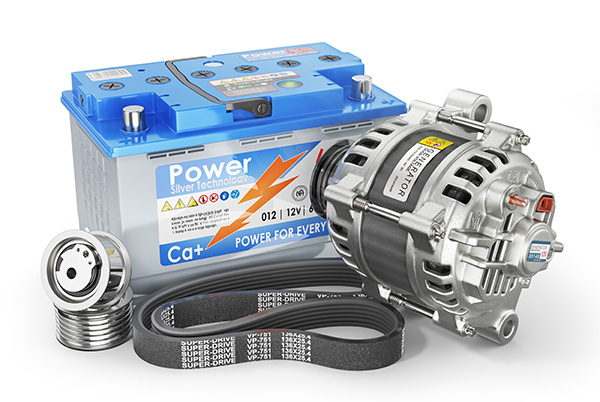
The battery light is easy to misinterpret because the symbol makes it seem like the battery is the problem. Sometimes it is. A weak or failing battery can be part of the issue, especially if the car has been slow to start.
But once the engine is running, that warning is usually talking about the charging system.
The battery starts the car. The alternator keeps it powered and recharges the battery while you drive. If the battery light comes on, the car is telling you that electrical power is not being managed as it should.
What The Battery Light Really Means
The battery light usually means the vehicle is not seeing the charging voltage it expects. The alternator may not be charging enough. A belt may be slipping. A cable may be loose or corroded. The battery may also be weak and unable to hold a charge properly.
That warning can appear at startup and then go away, which can be normal on many vehicles. If it stays on while driving, flickers, or comes on with other warning lights, it needs attention.
A car can keep running for a while with the battery light on, but it may only be running on stored battery power. Once that power drops too low, the engine can stall or refuse to restart.
When The Battery Is The Problem
A battery can cause trouble when it is old, weak, discharged, or damaged internally. Heat, cold, short trips, long parking periods, and repeated jump starts can all shorten battery life.
Common battery clues include slow cranking, clicking when you try to start the car, dim interior lights before startup, or a vehicle that starts fine after a jump but struggles again later. Corroded terminals can make the problem appear worse because power cannot flow smoothly through the cables.
A battery test under load gives a better answer than simply checking voltage. A battery can show decent voltage while sitting and still fail when the starter asks for real power.
When The Alternator Is The Problem
The alternator creates electrical power while the engine is running. It runs the lights, fuel system, ignition system, blower motor, computers, and other electrical parts. It also replaces the power the battery used during startup.
If the alternator is failing, the battery may test low because it has not been recharged properly. Replacing the battery alone may make the car act better for a few days, but then the same problem comes back.
Alternator warning signs can include dim headlights, flickering dashboard lights, weak power windows, a burning smell, a whining noise, or several warning lights appearing at once. If the car starts, then dies while driving or shortly after a jump, the alternator moves higher on the list.
Belts, Cables, And Connections Matter Too
The battery and alternator are not the whole system. A loose serpentine belt can keep the alternator from spinning correctly. A worn belt tensioner can create the same issue. Corroded battery terminals, damaged cables, poor grounds, or loose connections can interrupt charging even when the battery and alternator are still good.
Electrical problems can be frustrating because one bad connection can act like several failed parts. The warning light may flicker on bumps, appear after rain, or only when accessories are running.
That is why a proper inspection should include the battery, alternator output, belt condition, cable ends, grounds, terminals, and voltage drop through the circuit.
What To Do When The Battery Light Comes On
If the battery light comes on while driving, turn off non-essential electrical loads if it is safe to do so. That means heated seats, rear defroster, extra chargers, and sometimes the A/C fan. The goal is to reduce demand on the electrical system enough to reach a safe location.
Do not ignore the light because the car is still driving. If the alternator is not charging, the battery is being drained while you continue. Once the voltage drops far enough, power steering assist, transmission controls, engine controls, and other systems may start acting strangely.
If the light appears with dim lights, stalling, burning smells, or steering changes, stop driving and arrange service.
Why Testing Beats Guessing
Battery and alternator problems overlap too much to rely on symptoms alone. A weak battery can stress the alternator. A failing alternator can drain a good battery. A poor connection can make both look bad.
Testing separates those possibilities. A technician can check battery health, cranking voltage, charging voltage, alternator output, ripple, belt condition, and cable resistance. That gives a clearer answer than replacing the easiest part first.
Regular maintenance helps catch weak batteries, dirty terminals, worn belts, and charging concerns before they leave you stuck. If the battery light is already on, though, the system should be checked soon.
Get Battery Light Service In Issaquah, WA, With Autoworks Of Issaquah
If your battery light is on, your car starts slowly, or electrical systems are acting strangely, Autoworks Of Issaquah in Issaquah, WA, can test the battery, alternator, belts, cables, and charging system.
Schedule a visit and find out whether the warning is coming from the battery, alternator, or another electrical issue before the car loses power.