A warning comes on, the steering feels different, or the engine suddenly loses power. Before you think about repairs, you need somewhere to stop.
The best place to stop depends on what the car is doing and the traffic around it. A separated parking area gives you more room than a narrow shoulder, but an overheating engine or a failing tire may not let you go another mile. Read the situation in front of you, then deal with the vehicle once people are safe.
Recognize Which Vehicle Problems Require Stopping
An oil pressure warning while the engine runs calls for a safe stop and shutdown. Overheating, a major loss of braking, or a tire rapidly losing pressure also needs a prompt response. Follow the vehicle's warning instructions and avoid continuing simply because a familiar parking lot is farther ahead.
A small change in sound with normal control gives a different amount of time to choose a location. Signal early and make a controlled move. The driver behind needs to see what you're doing, and you still have to watch the road while reading a warning.
Choose Space Away From Moving Traffic
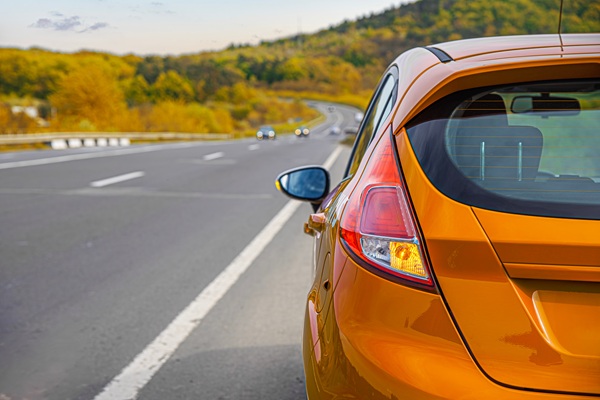
If the car still operates safely, look for a parking lot, designated pull-off, or another area separated from passing vehicles. Check the entrance and the ground where you'll stop. A wide-looking verge might be soft or slope away from the pavement. Where a shoulder is the only reachable option, move as far from traffic as conditions allow.
Avoid stopping around a blind curve or beyond a crest if another safe reachable location exists. If the vehicle remains in a travel lane or creates an immediate collision threat, call emergency services and explain its position.
Decide Where Passengers Should Wait
A safely separated car with no fire or other immediate threat often provides a place to remain with seat belts fastened while assistance is arranged. Smoke, flames, fuel leakage, or a position exposed to an approaching collision changes that decision.
Leave only when you can reach a safer place without stepping into traffic, using the side away from moving vehicles where possible. Keep passengers together and away from the front or rear of the stopped car. Follow directions from emergency personnel. No single rule about staying inside or getting out fits every roadside location.
Make the Assistance Call Easier
Once you're safely stopped, give the provider:
- The road name and direction you're traveling
- The nearest exit, intersection, or mile marker
- Whether the car is on a shoulder or in a lane
- The vehicle's make, model, and drivetrain
- Any smoke, fuel smell, or visible leakage
- Whether it still rolls, steers, and brakes normally
Describe the actual problem before discussing the destination. A vehicle with a displaced wheel needs different recovery equipment from one that simply won't start. If passengers need help or there is little separation from traffic, mention it at the start of the call.
Avoid a Repair Attempt in an Exposed Location
Changing a tire beside fast traffic isn't the same job as changing it on level ground in a workshop. You need firm support, space for equipment, and distance from passing vehicles. A spare and jack don't make a narrow shoulder safe.
The same applies to opening the hood or crawling beneath the car. Leave hot coolant caps closed, stay clear of belts and fans, and avoid investigating fuel leakage around a running engine. If the location or fault makes the work unsafe, arrange recovery instead of trying to move the car again.
Choose the Repair Destination Before the Tow
Ask where the provider will take the car and confirm the destination with the repair shop. Give the towing company any access or drop-off instructions the shop provides. After-hours arrival, key handling, and where to leave the vehicle need to be settled before the truck sets out.
We can help you find a towing provider, or you can choose your own company and ask them to bring the car to Autoworks Of Issaquah. Contact us to coordinate the arrival and explain what happened so the next step is clear.
Keep the Breakdown Details for the Repair
The first warning and the order of events help us decide what to check. An engine that overheated after losing coolant presents a different story from one that stalled with no temperature warning. Note how long it ran after the symptom began and whether anyone added fluid or attempted a jump-start. Leave stored fault information in place when possible.
Photos of a dashboard message or a leak taken from a safe position sometimes preserve a condition that disappears before the car arrives. You don't need to repeat a dangerous drive to collect evidence.
Vehicle Repair After a Breakdown at Autoworks Of Issaquah
If your car develops a problem around Issaquah, WA, stop safely first. Autoworks Of Issaquah can then discuss the symptoms, help you find a towing provider if needed, and coordinate pickup with your chosen company.
Call Autoworks Of Issaquah to discuss the breakdown and arrange the repair appointment.