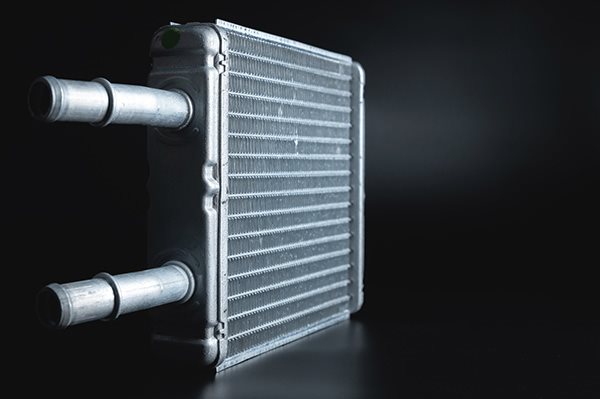
The heater blows cool air even though the engine temperature gauge looks normal. A mechanic mentions flushing the heater core, while another estimate calls for replacement. Those recommendations involve very different work and costs. A restricted heater core is one possible cause of weak cabin heat, but faulty blend doors, low coolant, and thermostat problems often mimic it. Testing the cooling and HVAC systems first is the best way to choose the right repair.
How a Heater Core Delivers Warm Air
Hot coolant from the engine travels through a small heat exchanger inside the dash. The blower moves cabin air across that heater core, and the HVAC controls direct the warmed air toward the vents or windshield.
When coolant flows freely, the core transfers heat efficiently. Restrictions inside its narrow passages reduce the amount of heat available even when the engine operates at normal temperature.
A clogged core doesn't automatically mean the entire cooling system is blocked. Deposits sometimes collect in the heater circuit while other passages remain open. During an inspection, we compare coolant temperatures, fluid levels, hose condition, and HVAC operation. The goal is to confirm that the restriction exists before attempting a flush or dismantling the dashboard.
Confirm the Cause Before Calling It a Clog
Low coolant or trapped air sometimes prevents proper flow through the heater. A thermostat stuck open often keeps the engine too cool, while a stuck blend door directs cold air around a perfectly healthy heater core.
Water pumps, control valves on equipped models, and clogged cabin filters also affect the experience in different ways. Each fault requires its own test.
Is the heater warm at idle but cold on the highway, or the other way around? That pattern helps decide what to measure. We check engine temperature and the conditions under which heat disappears. If the engine is overheating, stop driving until the cooling concern is evaluated. Heater performance alone doesn't establish that the engine is being cooled properly.
When a Careful Flush May Restore Heat
A flush sometimes helps when deposits have reduced flow, but the heater core remains structurally sound. A qualified procedure uses compatible fluid, controlled flow, and the manufacturer's guidance to dislodge contamination without exceeding safe pressure. Some blockages are stubborn, and no flush guarantees complete removal. Aggressive pressure risks damaging an aging core or forcing leaks at its connections.
The source of the contamination is just as important as the restriction. Mixing incompatible coolants or neglecting the cooling system sometimes forms deposits that return after a single heater-core flush. We evaluate coolant condition and other affected areas before recommending maintenance. If the radiator and engine passages also contain sludge, treating only the heater core leaves the larger problem unresolved.
When Replacement Is the Better Repair
A heater core that leaks coolant into the cabin requires a different solution from one with restricted flow. Corroded tubes, weakened seams, and severe internal damage usually can't be restored through flushing. If testing confirms a persistent blockage after an approved cleaning attempt, replacement is often the reliable option. The decision depends on the core design, access, and actual test results.
Many vehicles place the heater core deep inside the HVAC housing. Replacement often involves removing dashboard parts and handling other components according to strict procedures. A clear estimate needs to explain why the core needs replacement and what related seals, hoses, or coolant work are included. You shouldn't have to approve a large interior repair based only on the fact that the vents blow cool air.
Coolant Quality Helps Prevent Repeat Restrictions
Coolant contains additives that protect metals and seals while supporting heat transfer. The wrong chemistry, heavy corrosion, or too much ordinary water changes that protection. Different vehicles require different formulations, and color alone doesn't reliably identify compatibility. Contamination beyond the heater core sometimes calls for a cooling-system flush, but the procedure must fit the engine's components and condition.
After the repair, the system needs proper refilling and bleeding. Air trapped in the heater circuit often causes weak heat or gurgling sounds even with a new core. We confirm the engine reaches normal temperature and the heater performs under the conditions that originally produced the problem. Regular cooling-system maintenance reduces the chances of deposits returning.
Clues That Help Separate Flush From Replacement
Describe how the cabin heat has changed and mention any coolant loss or windshield residue. A gradually weakening heater with dirty coolant points toward a different investigation from one that suddenly fails after dashboard work. Recent cooling repairs sometimes leave air in the system, making the heater seem blocked when it isn't. An inspection needs to compare the symptoms with actual fluid flow and control operation.
Useful details include:
- Heat that improves or worsens with engine speed
- A sweet smell or sticky film on the windshield
- Low coolant or a history of frequent top-offs
- Recent thermostat, water pump, or hose service
- Rusty coolant or evidence of mixed coolant types
These clues don't determine the repair by themselves. They help avoid unnecessary flushing when the problem is electrical or mechanical elsewhere in the HVAC system.
Verify the Heater and Cooling System Together
A successful flush restores adequate heat without creating leaks. If the core was replaced, the system needs leak testing, proper coolant, and checks of all affected HVAC functions. The engine must maintain normal temperature during operation. A warm vent for five minutes in the repair bay isn't enough when the original fault happened during a long winter commute.
Keep records of the coolant used and what work was completed. That makes future maintenance easier and helps identify repeating contamination. The best repair is the one supported by inspection findings: a careful flush when restriction is reversible, or replacement when the core is damaged beyond reliable service.
Get Heater Core and Cooling System Service in Issaquah, WA, With Autoworks Of Issaquah
Autoworks Of Issaquah in Issaquah, WA, investigates weak cabin heat, restricted heater cores, and coolant problems. We'll explain the inspection results and whether flushing or replacement is justified.
Call Autoworks Of Issaquah or schedule a heater inspection online today.